

Programme overview
What the official source supports
A one-year craniofacial fellowship (with a possible second year) and one position, covering pediatric congenital craniofacial surgery (cleft, craniosynostosis, syndromes, distraction), adult craniofacial trauma and oncologic reconstruction, and adult facial aesthetic surgery as time permits. Training sites include Montreal General, Montreal Children's and Shriners Hospital for Children Montreal.
Programme faculty
Meet the published team
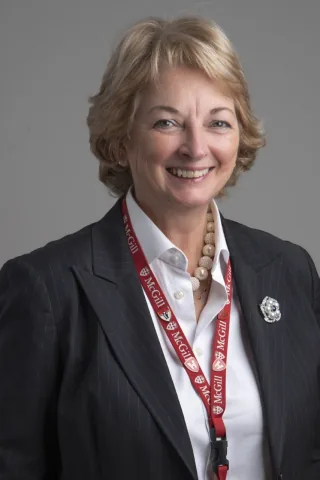
Lucie Lessard, MD, FRCSC, FACS
Craniofacial Fellowship Co-Director
Associate Professor of Surgery
McGill University — Division of Plastic, Reconstructive and Aesthetic Surgery
Lessard is Associate Professor of Surgery at McGill and an MUHC staff surgeon on the Montreal General Hospital team. Her page describes training in otolaryngology and plastic surgery at Harvard, with craniofacial fellowships in Paris and Sweden, and past leadership of microsurgery, replantation and craniofacial programmes at the MUHC.
Official institution or surgeon biography ↗Profile reviewed 17 Oct 2026
Profile page →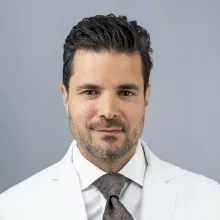
Mirko S. Gilardino, MD, MSc, FRCSC, FACS
Craniofacial Fellowship Co-Director
Professor of Surgery
McGill University — Division of Plastic, Reconstructive and Aesthetic Surgery
Gilardino trained in plastic surgery at McGill, holds a Master's degree in experimental surgical research and completed a year of craniofacial fellowship training at the Children's Hospital of Philadelphia. He directed the H.B. Williams Craniofacial and Cleft Surgery Unit at the Montreal Children's Hospital from 2008 to 2025.
Official institution or surgeon biography ↗Profile reviewed 17 Oct 2026
Profile page →Training structure
Published areas of exposure
- Pediatric congenital craniofacial surgery including cleft, craniosynostosis, syndromes and distraction
- Adult craniofacial trauma and oncology reconstruction at Montreal General (Level I), including free-tissue transfer
- Adult facial aesthetic surgery exposure as time permits
- Multidisciplinary cleft/craniofacial meetings; clinical research project encouraged
- Optional second year with greater case complexity and at least two publications
Eligibility
Who should verify their fit
Confirm plastic surgery training prerequisites and Québec licensing with the division. Contact the residency/fellowship administrator for current criteria.
Canada Plastic Surgery Fellowships for International Applicants →
Application
Published application route
Contact Kristy Moraitis (plasticresidency.med@mcgill.ca) for current craniofacial fellowship application instructions. Funding is described as internal and external; amounts not published.
Published application documents
- Enquiry / application materials as directed by the Plastic Surgery Residency Administrator for the craniofacial fellowship
This checklist summarises the linked official source. Confirm any updated forms and requirements before submission.
Programme leadership: Lucie Lessard, MD; Mirko S. Gilardino, MD (Fellowship Directors named by McGill PGME) · Leadership profile →
Contact note: Kristy Moraitis, Plastic Surgery Residency Administrator: plasticresidency.med@mcgill.ca
Sources and verification
Trace this profile
McGill Plastic Surgery — official fellowship page ↗Official McGill postgraduate medical education — both craniofacial directors ↗Last reviewed by PlasticFellow: 7 Nov 2026. Information not shown by an official source is labelled as unavailable or requiring confirmation.
Suggest a correctionBefore you apply
Resolve the details that affect your decision
The source review date is not confirmation of a vacancy. Request a current written offer or programme statement covering the next start, deadline and timezone, required documents, permitted role, registration, supervision, visa route and total financial terms. Unknown information is not evidence of ineligibility.
Use the application guides → · How programme evidence is assessed