32 source-led programme profiles. Licensing, visa and hands-on eligibility vary by institution and candidate; always confirm with the programme and regulator.
Country-page standard
This page reports only what the current programme dataset supports. It does not provide medical-registration, immigration or employment guarantees.
Browse by destination
Training locations in Japan
Listed destinations reflect documented opportunities, not every hospital with a plastic surgery department.
Evidence filters describe the available information. Published criteria do not guarantee eligibility, funding or a vacancy; missing information does not mean you are ineligible.
A private oculoplastic clinic's open invitation to overseas doctors for a clinical fellowship in oculoplastic surgery that includes aesthetic procedures. This is a clinic-run programme with no university or society accreditation named on the page.
Oculoplastic surgeryAesthetic surgery
Pathway
Clinical fellowship
Duration
1 to 6 months, with a minimum of 3 months recommended
A short observation placement at a private oculoplastic clinic in Tokyo, offered alongside its fellowship programme. This is a clinic-run programme with no university or society accreditation named on the page.
The Japanese Society of Reconstructive Microsurgery's 8th International Traveling Fellow scheme sends four young microsurgeons to the 14th World Society for Reconstructive Microsurgery congress in Istanbul in June 2027 and to institutions in the host and neighbouring countries. Interviews are planned for 25–27 November 2026 during the 53rd JSRM annual meeting in Kyoto; fellows report back at the annual meeting and in the society journal.
Microsurgery
Pathway
Travelling fellowship
Duration
About 2 weeks each for plastic surgery and orthopaedic fellows, including the international congress
The JSPRS host factsheet describes a six-month reconstructive surgery fellowship at the Cancer Institute Hospital in Tokyo. The clinical track starts with surgical assisting and may progress to operating, alongside conferences and clinical research. Breast, head and neck, sarcoma and lymphoedema reconstruction are listed; observerships are accepted separately.
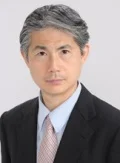
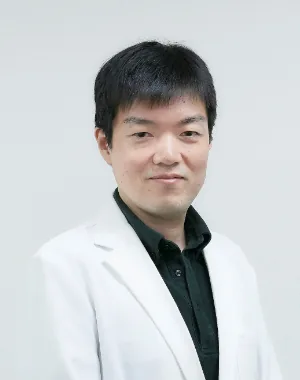
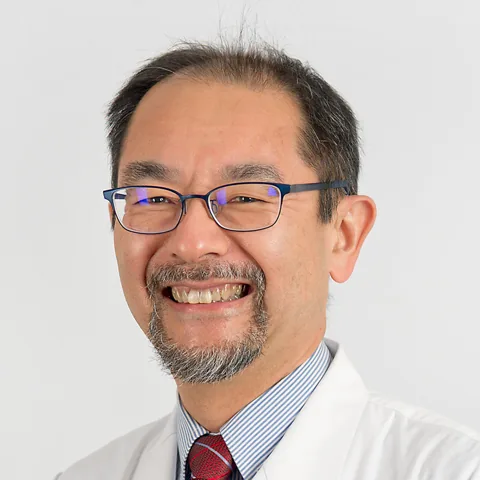
Department Director, Plastic and Reconstructive Surgery; Supervisor / Director (JSPRS listing)Tomoyuki Yano
Breast reconstructionMicrosurgeryLymphatic surgery
Kameda’s Breast Center offers surgical training in breast reconstruction, oncoplastic breast surgery and microsurgery for lymphoedema. The JSPRS factsheet combines patient assessment and management with operating and conferences. It describes placements of six months to two years and separately accepts observers; the permitted role must be agreed before arrival.
Kagawa’s JSPRS factsheet describes clinical and research opportunities in plastic surgery and accepts observers. Listed areas include breast, head and neck, aesthetic and microsurgical reconstruction, trauma and pectus excavatum. The clinical/research placement length is not specified; the separate four-year doctoral option must not be read as the fellowship duration.
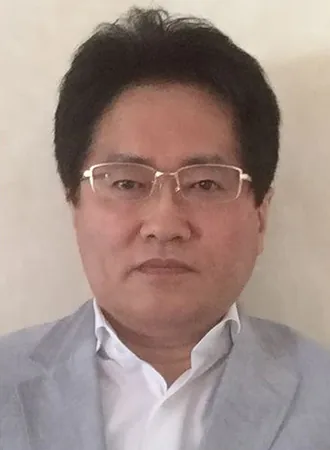
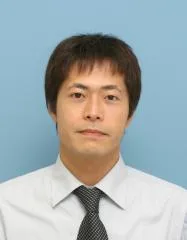
Professor, Plastic Surgery; Supervisor / Director (JSPRS listing)Tomohisa Nagasao
Breast reconstructionMicrosurgeryAesthetic surgery
Pathway
Hybrid clinical and research
Duration
The JSPRS sheet leaves the clinical/research duration blank; the only stated term is the 4-year doctoral (PhD) course option.
Jichi’s clinical fellowship is mainly observational, covering fat grafting, breast and craniomaxillofacial reconstruction, paediatric plastic surgery, head and neck microsurgery and lymphoedema. Its JSPRS factsheet says clinical training may be available for stays longer than one year; this is conditional and does not establish operative access for a short observer visit.
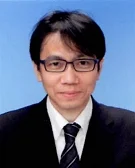
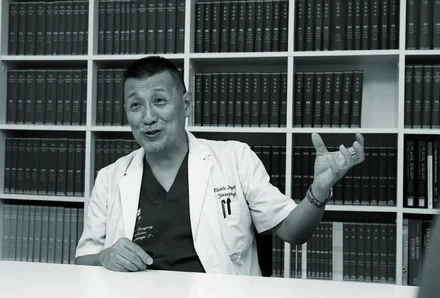
Fellowship supervisor (as listed)Kotaro Yoshimura
MicrosurgeryCraniofacialBreast reconstruction
Pathway
Observership
Duration
Negotiable; observation is the primary clinical route
Jichi’s research fellowship requires at least six months and covers stem cell biology, regenerative biotechnology, hair research, radiation damage, keloids, burns and wound healing. The JSPRS factsheet distinguishes this placement from its mainly observational clinical track and separate four-year PhD course. Research participation does not itself grant patient-care privileges.
Chiba’s plastic, reconstructive and aesthetic surgery placement combines weekday ward rounds and outpatient activity with scheduled case discussions and operating lists. The JSPRS factsheet describes one-month to one-year placements in craniomaxillofacial, breast, cleft, aesthetic and laser work, while separately listing a doctoral option.
Professor; Supervisor / Director (JSPRS listing)Nobuyuki Mitsukawa
CraniofacialBreast reconstructionAesthetic surgery
Tokai’s one-to-three-month placement is explicitly observation only in the JSPRS factsheet. It lists craniofacial, breast, cleft, head and neck and laser work, with English as the programme language. The host requests applications three months before the intended start; the undated listing does not confirm a vacancy.
Supervisor / Director (JSPRS listing)Tadashi Akamatsu
Juntendo’s short observership covers outpatient clinics, ward rounds, operating rooms and laboratories. The JSPRS factsheet explicitly labels this route observational and separates it from advanced clinical training. The listed departmental exposure includes breast, craniofacial, hand, microsurgery, skin cancer, wound healing, regenerative medicine and stem-cell work.
Juntendo’s advanced clinical track is described as on-the-job training in patient diagnosis and treatment. Its JSPRS factsheet separates this three-month to two-year route from the short observership and lists breast, craniofacial, hand, microsurgical, skin-cancer, wound-healing and regenerative work. Clinical participation requires the applicable Japanese permissions.
Nippon Medical School accepts short observers for clinics, ward rounds, surgery and laboratories, with a minimum stay of one week in the JSPRS factsheet. Departmental exposure includes burns, breast, hand, head and neck, microsurgery, skin cancer, trauma, wound and scar management and aesthetic surgery. Observation does not confer clinical privileges.
Nippon Medical School’s advanced clinical programme is described as on-the-job diagnosis and treatment training, with a minimum six-month stay in the JSPRS factsheet. Its scope spans burns, breast, hand, head and neck, microsurgery, skin cancer, trauma, wounds and scars. It is separate from the short observership and four-year PhD option.
Kyorin’s current JSPRS factsheet describes observing outpatient clinics, ward rounds and surgery for one to twelve weeks. The department lists breast, craniofacial, hand, head and neck, microsurgery, skin cancer and wound-healing exposure. It is distinct from the three-month to one-year advanced training option, whose permissions require separate confirmation.
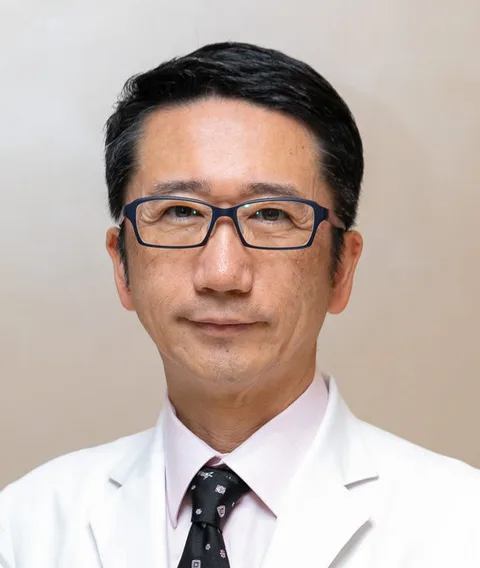
Supervisor / Director (JSPRS fellowship listing); Professor and Department HeadMine Ozaki, MD, PhD
Kyorin’s current JSPRS factsheet lists a three-month to one-year advanced clinical training option alongside its separate short observership. The course description itself mentions observing clinics, ward rounds and surgery rather than defining operating privileges. Breast, craniofacial, hand, head and neck, microsurgery, skin cancer and wound healing are listed; confirm the actual clinical role directly.
Supervisor / Director (JSPRS fellowship listing); Professor and Department HeadMine Ozaki, MD, PhD
Jikei’s Clinical Observership Program covers outpatient clinics, ward rounds and surgery for up to six months, depending on visa status. The JSPRS factsheet lists craniomaxillofacial, head and neck, hand and breast reconstruction. It is separate from advanced hands-on clinical training and the four-year doctoral research course.
Supervisor / Director (JSPRS listing); Chief Professor (department page)Takeshi Miyawaki, MD, PhD
Jikei’s advanced clinical track offers practical diagnosis-and-treatment training for three months to two years, depending on visa status. The JSPRS factsheet separates this route from its short observership and doctoral research course. Listed areas include craniomaxillofacial, head and neck, hand and breast reconstruction; applicants need at least three years’ post-licensure clinical experience.
Supervisor / Director (JSPRS listing); Chief Professor (department page)Takeshi Miyawaki, MD, PhD
Sapporo’s Clinical Observership Program offers one-to-eight-week observation of outpatient clinics, ward rounds, operating rooms and laboratories. The JSPRS factsheet lists head and neck reconstruction, burns, trauma, wound healing, breast reconstruction, microsurgery, microtia and ptosis. The observer route is explicitly separate from advanced clinical training.
Professor, Plastic and Reconstructive SurgeryTakatoshi Yotsuyanagi, MD, PhD
Sapporo’s advanced clinical training route runs from three months to two years in the JSPRS factsheet and includes diagnosis and treatment of patients, subject to permission. Its departmental exposure spans head and neck, burns, trauma, wounds, breast reconstruction, microsurgery, microtia and ptosis. The source requires an institutional request and at least three years’ post-licensure clinical experience.
Professor, Plastic and Reconstructive SurgeryTakatoshi Yotsuyanagi, MD, PhD
Iwate’s JSPRS factsheet distinguishes short observation from negotiable six-to-twenty-four-month clinical training. Activity may include observing surgery, first assisting, outpatient work and conferences. Hands-on surgery specifically requires Ministry of Health, Labour and Welfare approval as a foreign clinical trainee; the listing does not itself provide that approval.
Saitama Hand & Microsurgery Institute’s JSPRS factsheet describes a three-month hand-surgery placement combining observation, assisting, outpatient clinics, conferences and journal club. The sheet names the clinical team and asks for two recommendation letters. Its printed start year is 2025, so present availability must be checked rather than inferred from the listing.
Director (signed message); Supervisor / Director (JSPRS listing)Keizo Fukumoto, MD, PhD
Aichi Cancer Center’s JSPRS factsheet describes negotiable one-to-twenty-four-month reconstructive placements involving observation, surgical assisting, outpatient clinics and conferences. Listed interests are craniomaxillofacial, head and neck and microsurgery. The historical factsheet’s staff names do not override separately recorded current leadership evidence.
Supervisor / Director in the JSPRS fellowship listing (current appointment requires confirmation)Keisuke Takanari
The JSPRS NCGM Supermicrosurgery ACT factsheet describes supervised operating, surgical assisting, observation and perioperative management. Outpatient care, clinical research and publications are included. The usual placement is three to six months with limited trainee capacity; the hands-on role remains subject to the listed advanced clinical permission and visa requirements.
How many plastic surgery fellowships are listed in Japan?
PlasticFellow currently lists 32 source-backed programme profiles in Japan at 22 institutions in 16 locations. This is a verified-source list, not a census of every hospital offering training.
What types of plastic surgery training are available in Japan?
Listed formats: clinical fellowship (11), hybrid clinical and research (3), observership (16), research fellowship (1), travelling fellowship (1). The most represented focus areas are breast reconstruction, microsurgery, craniofacial, hand, head & neck reconstruction. Observerships and short courses do not grant hands-on operating rights.
Can international surgeons apply for fellowships in Japan?
Eligibility differs by host. Medical registration, language, visa and supervision rules in Japan decide whether a visiting surgeon can operate. Each profile states what the official source publishes; confirm current intake and eligibility directly with the programme before applying.

 Intake not confirmed